Can Joint Pain Be Treated Without Surgery?
One of the biggest misconceptions about visiting an orthopaedic surgeon is that surgery is the only solution.
The truth is, most patients with joint pain do not need surgery.
At MD Spine Care Orthopaedics, surgery is never the first recommendation. Our goal is to identify the underlying cause of your pain and begin with the most appropriate treatment, which is often conservative, non-surgical care.
With advances in regenerative medicine, physical rehabilitation, medications, and minimally invasive treatments, many patients experience significant improvement without ever needing an operation.
What Causes Joint Pain?
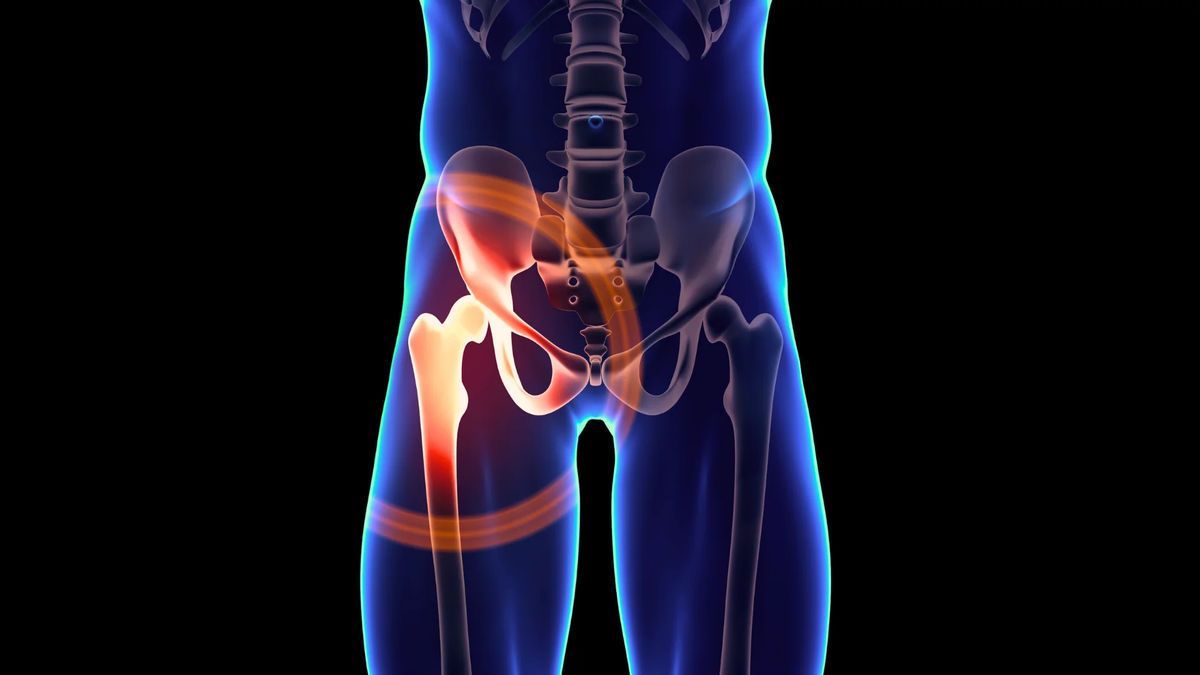
Joint pain isn't a diagnosis—it's a symptom. Determining what's causing the pain is the first step toward creating an effective treatment plan.
Common causes of joint pain include:
- Arthritis
- Tendonitis
- Bursitis
- Ligament injuries
- Muscle weakness
- Joint inflammation
- Sports injuries
- Overuse injuries
- Cartilage damage
- Age-related wear and tear
Because so many conditions can cause similar symptoms, a comprehensive evaluation is important before deciding on treatment.
Why Conservative Treatment Comes First
Before recommending surgery, our orthopaedic surgeons evaluate your condition and determine whether conservative treatment may help relieve your symptoms.
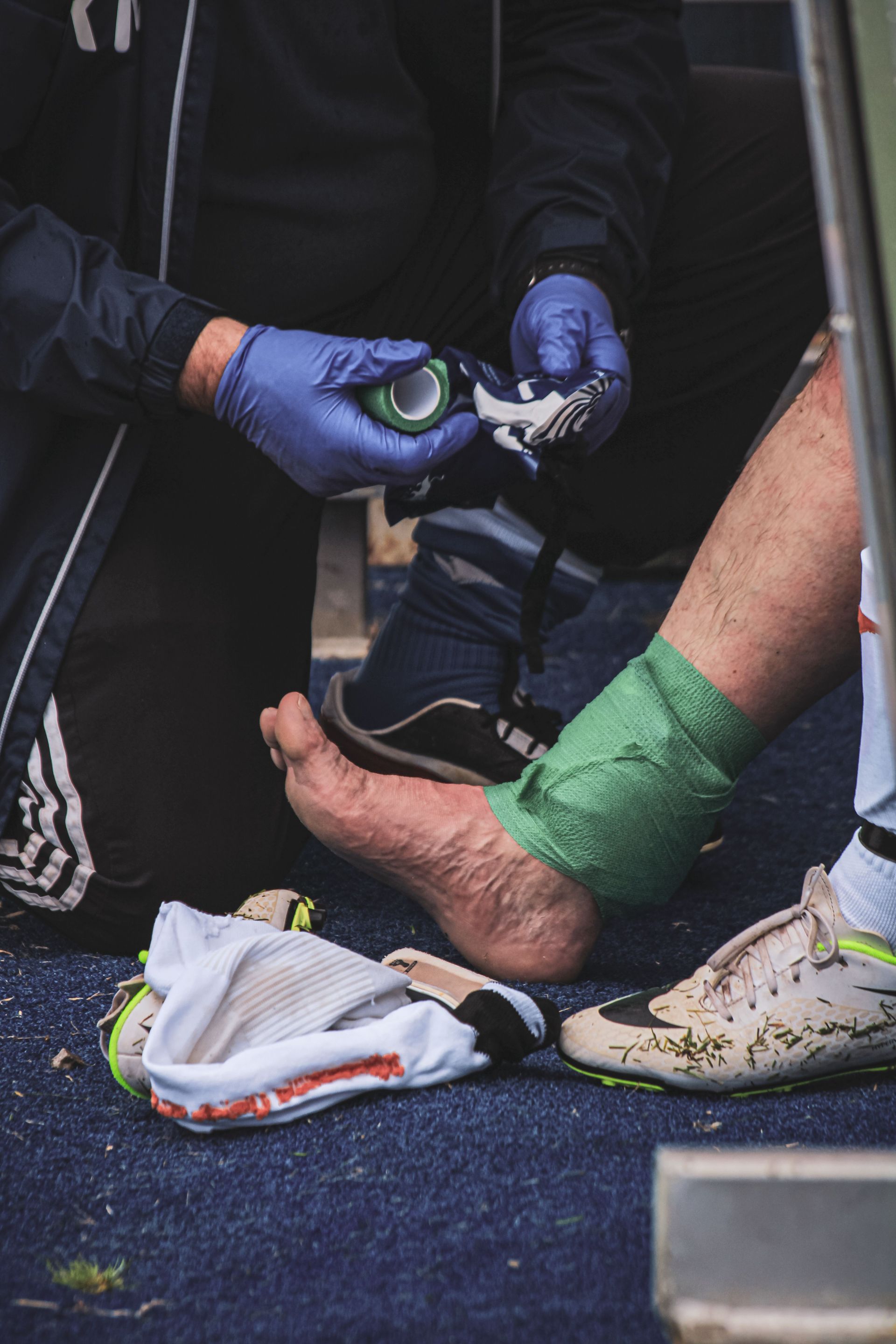
Many patients improve with treatments designed to reduce pain, improve strength, and restore joint function.
Depending on your diagnosis, conservative treatment may include:
- Physical therapy
- Activity modification
- Anti-inflammatory medications
- Joint injections
- Regenerative medicine
- Platelet-rich plasma (PRP) therapy
- Home exercise programs
- Lifestyle modifications
The goal is to relieve pain while restoring mobility and helping you return to your normal activities.
The Role of Regenerative Medicine
Advances in regenerative medicine have expanded the treatment options available for many orthopaedic conditions.
Some patients may benefit from regenerative therapies such as PRP (Platelet-Rich Plasma) therapy, which is designed to support the body's natural healing response for certain musculoskeletal conditions.
These treatments may be considered for patients with:
- Tendon injuries
- Ligament injuries
- Mild to moderate arthritis
- Chronic joint pain
- Sports-related injuries
Treatment recommendations are always based on the patient's condition, medical history, and treatment goals.

When Is Surgery Actually Necessary?
Although many patients improve without surgery, there are situations where surgery may provide the best long-term outcome.
Surgery may be recommended when:
- Conservative treatment has not relieved symptoms
- A ligament or tendon has completely torn
- Joint instability affects daily activities
- Arthritis has caused significant joint damage
- Fractures require surgical repair
- Pain continues to interfere with work, sleep, or quality of life
If surgery becomes necessary, our orthopaedic surgeons use advanced techniques, including minimally invasive procedures whenever appropriate, to help reduce recovery time and improve outcomes.
Our Goal Is to Help You Avoid Surgery When Possible
One of the biggest priorities at MD Spine Care Orthopaedics is helping patients find relief without surgery whenever appropriate.
Our team develops personalized treatment plans based on:
- Your diagnosis
- Your activity level
- Your lifestyle
- Your goals
- The severity of your condition
By treating the underlying cause of your pain—not just the symptoms—we can often help patients improve through conservative care.
Signs It's Time to See an Orthopedic Surgeon
Even if you hope to avoid surgery, it's important not to ignore persistent joint pain.
Schedule an evaluation if you experience:
- Pain lasting more than a few weeks
- Swelling that doesn't improve
- Joint stiffness
- Limited range of motion
- Pain during daily activities
- Weakness or instability
- Pain that interferes with sleep
Early diagnosis often leads to more treatment options and better outcomes.
Frequently Asked Questions
Does every patient with joint pain need surgery?
No. Most patients improve with conservative treatments, and surgery is only recommended when it's the most appropriate option based on the diagnosis.
Can arthritis be treated without surgery?
Many patients with arthritis benefit from medications, physical therapy, lifestyle changes, injections, or regenerative medicine before surgery is considered.
What is conservative treatment?
Conservative treatment includes non-surgical approaches such as physical therapy, medications, injections, activity modification, PRP therapy, and exercise programs.
How do I know if surgery is right for me?
The best way to determine whether surgery is appropriate is through a comprehensive evaluation by an orthopaedic surgeon who can diagnose the cause of your joint pain and discuss all available treatment options.
Schedule an Orthopaedic Evaluation in San Antonio
If you're experiencing joint pain, don't assume surgery is your only option. Our experienced orthopaedic surgeons provide comprehensive evaluations and personalized treatment plans designed to help relieve pain, restore mobility, and improve your quality of life.
Schedule your consultation today to learn about the treatment options that may be right for you.